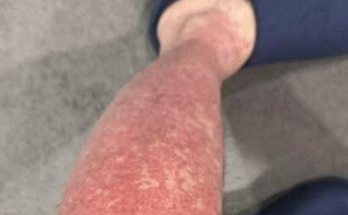
Arthritis is one of the most common chronic health conditions affecting adults around the world. It is a condition that causes inflammation, pain, stiffness, and swelling in the joints. Millions of people struggle with arthritis daily, experiencing discomfort that can interfere with work, movement, sleep, and overall quality of life. Although arthritis is more common in older adults, it can affect people of all ages, including younger adults and even children in some cases.




There are many types of arthritis, but the most common forms include osteoarthritis and rheumatoid arthritis. Osteoarthritis usually develops due to wear and tear of the joints over time, while rheumatoid arthritis is an autoimmune disease in which the immune system mistakenly attacks healthy joint tissues. Regardless of the type, arthritis can significantly reduce mobility and make everyday activities more difficult.
Many adults use medications to control arthritis symptoms, including pain relievers, anti-inflammatory drugs, and prescription treatments. While medications can be helpful, some individuals prefer natural approaches to manage pain and stiffness alongside medical treatment. Natural strategies may help reduce inflammation, improve flexibility, strengthen joints, and support overall wellness without relying entirely on medication.
One of the most important natural approaches to arthritis management is maintaining regular physical activity. Many people with arthritis avoid exercise because they fear movement will worsen pain. However, gentle and consistent exercise can actually improve joint flexibility, strengthen muscles, and reduce stiffness. Physical activity helps lubricate the joints and improves circulation, which may reduce discomfort over time.
Low-impact exercises are often best for adults with arthritis. Walking, swimming, cycling, yoga, and stretching exercises are gentle on the joints while helping improve mobility and balance. Swimming and water aerobics are especially beneficial because water reduces pressure on painful joints while allowing movement and resistance training. Stretching exercises can also improve flexibility and reduce muscle tightness around affected joints.
Weight management plays a major role in reducing arthritis symptoms. Excess body weight places additional stress on weight-bearing joints such as the knees, hips, and lower back. Even small amounts of weight loss may significantly reduce joint pressure and improve mobility. A healthy diet combined with regular exercise can help reduce inflammation and support long-term joint health.
Nutrition is another important factor in natural arthritis management. Certain foods may help reduce inflammation in the body, while others may worsen it. An anti-inflammatory diet rich in fruits, vegetables, whole grains, healthy fats, and lean proteins may help improve arthritis symptoms naturally. Colorful fruits and vegetables contain antioxidants that protect cells from damage caused by inflammation.
Omega-3 fatty acids are among the most studied natural nutrients for arthritis support. These healthy fats have anti-inflammatory properties that may help reduce joint pain and stiffness. Fatty fish such as salmon, sardines, and mackerel are rich sources of omega-3s. Plant-based options include flaxseeds, chia seeds, and walnuts. Some adults also use fish oil supplements to support joint health after discussing it with a healthcare provider.
Turmeric is another popular natural remedy for arthritis. This bright yellow spice contains curcumin, a compound known for its anti-inflammatory and antioxidant effects. Some research suggests that curcumin may help reduce joint swelling and pain in people with arthritis. Turmeric can be added to meals, teas, or taken as a supplement. Combining turmeric with black pepper may improve absorption in the body.
Ginger is another natural ingredient commonly used to help manage arthritis discomfort. It contains compounds that may help reduce inflammation and muscle soreness. Fresh ginger tea, ginger powder, or ginger supplements are often used by individuals seeking natural pain relief. Some people find that regular ginger consumption helps improve joint comfort and digestion at the same time.
Heat and cold therapy are simple but effective methods for relieving arthritis pain. Warm compresses, heating pads, and warm baths may help relax stiff muscles and improve blood flow to painful joints. Cold therapy, such as ice packs, may reduce swelling and numb sharp pain during flare-ups. Alternating between heat and cold may provide additional comfort for some individuals.
Massage therapy may also help adults with arthritis manage pain and stress. Gentle massage can improve circulation, reduce muscle tension, and promote relaxation. Some studies suggest that massage therapy may help reduce anxiety and improve sleep quality in people with chronic pain conditions. Professional massage or self-massage techniques may both provide benefits when done carefully.
Stress management is another important aspect of arthritis care. Chronic stress can increase inflammation in the body and worsen pain perception. Adults living with arthritis often experience emotional challenges such as frustration, anxiety, and depression due to ongoing discomfort and reduced mobility. Relaxation techniques such as meditation, deep breathing exercises, mindfulness, and yoga may help reduce stress and improve mental well-being.
Sleep quality also affects arthritis symptoms. Poor sleep can increase pain sensitivity, fatigue, and inflammation. Many adults with arthritis struggle to find comfortable sleeping positions due to joint pain. Creating a relaxing bedtime routine, using supportive pillows, and maintaining a comfortable sleep environment may help improve rest. Good sleep is essential for physical recovery and overall health.
Herbal supplements are commonly used by people seeking natural arthritis relief. Boswellia, also known as Indian frankincense, is believed to have anti-inflammatory properties that may help reduce joint pain and stiffness. Devil’s claw and willow bark are other herbal remedies sometimes used for pain management. However, herbal supplements should always be used cautiously and under medical supervision because they may interact with medications or cause side effects.
Vitamin D is another important nutrient for joint and bone health. Many adults with arthritis have low vitamin D levels, which may contribute to muscle weakness and joint discomfort. Vitamin D supports calcium absorption and helps maintain strong bones. Sunlight exposure, fortified dairy products, egg yolks, and fatty fish are natural sources of vitamin D. Some individuals may require supplements if deficiencies are present.
Calcium is also essential for maintaining healthy bones, especially in older adults with arthritis. Strong bones help support joints and reduce the risk of fractures. Dairy products, leafy green vegetables, almonds, and fortified foods provide important calcium for bone strength. Proper calcium intake combined with vitamin D may support overall musculoskeletal health.
Acupuncture is another alternative therapy that some adults use to manage arthritis pain. This traditional Chinese medicine technique involves inserting thin needles into specific points of the body. Some people report reduced pain and improved mobility after acupuncture sessions. Although results vary, acupuncture may offer relief for certain individuals when combined with other healthy lifestyle practices.
Hydration is often overlooked in arthritis care. Drinking enough water helps support joint lubrication and overall body function. Dehydration may contribute to muscle cramps, fatigue, and reduced joint comfort. Herbal teas and water-rich fruits and vegetables can also contribute to healthy hydration.
Avoiding smoking and excessive alcohol consumption may help improve arthritis symptoms and overall health. Smoking increases inflammation and may worsen rheumatoid arthritis progression. Excessive alcohol intake can interfere with medications and negatively affect sleep and immune function. Reducing these habits may support better long-term health outcomes.
Daily movement and proper posture are also important for protecting the joints. Sitting for long periods can increase stiffness and reduce flexibility. Taking regular movement breaks, practicing good posture, and using supportive chairs or cushions may reduce strain on the joints. Ergonomic adjustments at work and home can help adults with arthritis remain more comfortable throughout the day.
Support from family, friends, and healthcare providers can make arthritis management easier. Living with chronic pain can feel emotionally exhausting, and emotional support is an important part of overall wellness. Joining support groups or speaking with others who understand the challenges of arthritis may help reduce feelings of isolation and encourage healthy coping strategies.
Although natural approaches may help manage arthritis symptoms, medical care remains important. Arthritis is a chronic condition that can worsen over time if left untreated. Regular medical checkups can help monitor joint damage, adjust treatments, and identify complications early. Severe joint pain, sudden swelling, fever, or major mobility changes should always be evaluated by a healthcare professional.
Natural methods are often most effective when combined with healthy lifestyle habits and professional medical guidance. Every person experiences arthritis differently, so treatment plans should be personalized according to individual needs, health conditions, and symptom severity. Some individuals may benefit more from exercise and weight management, while others may need additional nutritional or therapeutic support.
Consistency is key when using natural approaches for arthritis relief. Lifestyle changes may take time before noticeable improvements occur. Developing healthy daily routines, staying active, eating nutritious foods, managing stress, and getting enough rest can gradually improve joint health and overall quality of life.
In conclusion, natural approaches can provide valuable support for adults living with arthritis pain and joint stiffness. Regular exercise, healthy nutrition, weight management, stress reduction, quality sleep, and natural supplements such as turmeric, ginger, omega-3 fatty acids, and vitamin D may help reduce inflammation and improve mobility. Simple therapies such as massage, heat and cold treatment, stretching, and hydration may also contribute to better comfort and function. While natural remedies cannot cure arthritis, they may help many adults manage symptoms more effectively and maintain a healthier, more active lifestyle. Combining these approaches with professional medical care can help individuals achieve better long-term joint health and overall well-being.