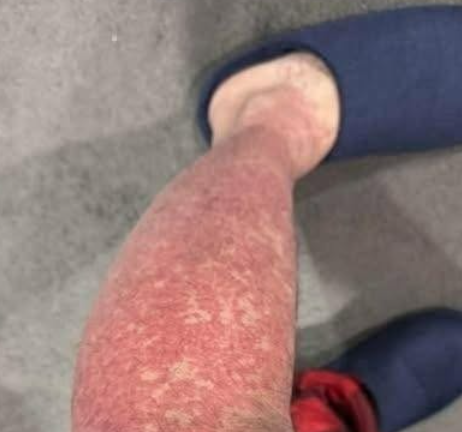
Psoriasis is a chronic inflammatory skin condition that affects millions of people worldwide. It is not just a cosmetic concern but an immune-mediated disease that can significantly impact quality of life. Women, in particular, may experience unique challenges with psoriasis due to hormonal changes, emotional stress, and differences in immune response.
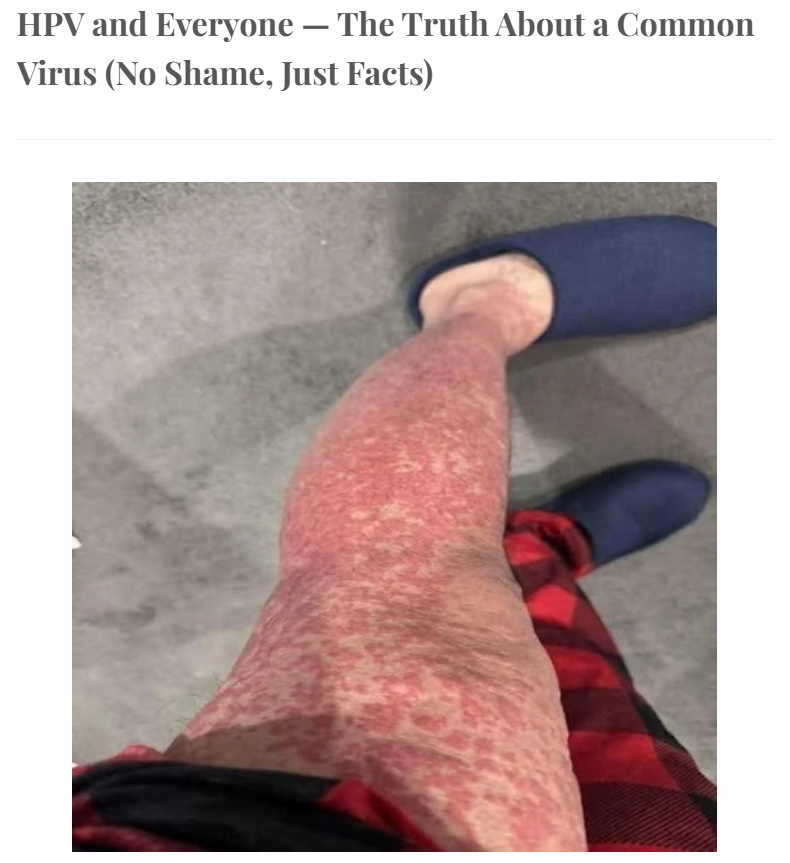

Although psoriasis can develop at any age, it often appears in early adulthood or later in life and tends to be a lifelong condition with periods of flare-ups and remission. Understanding the risks, triggers, and management strategies is essential for women who want to control symptoms and improve long-term skin health.
This comprehensive guide explains what psoriasis is, why it occurs, risk factors specific to women, common symptoms, triggers, and effective lifestyle approaches for long-term management.
What Is Psoriasis?
Psoriasis is an autoimmune condition in which the immune system mistakenly accelerates the growth cycle of skin cells. Normally, skin cells grow and shed over a period of weeks, but in psoriasis, this process happens in just a few days. As a result, skin cells build up on the surface, forming thick, scaly patches.
These patches are often red, inflamed, and covered with silvery-white scales. Psoriasis most commonly affects the scalp, elbows, knees, lower back, and nails, but it can appear anywhere on the body.
Psoriasis is not contagious, meaning it cannot be spread from person to person through contact.
Why Psoriasis Affects Women Differently
Women may experience psoriasis differently due to hormonal fluctuations and immune system variations. Hormones such as estrogen can influence immune activity and skin inflammation, which is why many women notice changes in symptoms during menstruation, pregnancy, or menopause.
During pregnancy, some women experience improvement in symptoms, while others may see flare-ups. After childbirth, hormonal shifts can also trigger worsening of psoriasis.
Menopause may further influence the severity of symptoms due to declining estrogen levels, which can affect skin hydration and immune regulation.
Psychological and emotional stress, which is more commonly reported in women with psoriasis, may also contribute to flare-ups.
Genetic Factors and Family History
Genetics play a significant role in psoriasis risk. Women with a family history of psoriasis are more likely to develop the condition.
Specific genes related to immune system regulation may increase susceptibility. However, having a genetic predisposition does not guarantee that psoriasis will develop. Environmental factors and lifestyle choices also play a major role in whether symptoms appear.
Understanding family history can help women recognize early signs and seek timely diagnosis.
Immune System Dysfunction
Psoriasis is fundamentally an immune system disorder. In healthy individuals, the immune system protects the body from infections and harmful substances. In psoriasis, however, immune cells mistakenly attack healthy skin cells, triggering inflammation and rapid skin cell production.
This overactive immune response leads to the characteristic scaling and redness associated with psoriasis.
Because of its immune-related nature, psoriasis is sometimes associated with other inflammatory conditions, including psoriatic arthritis, cardiovascular disease, and metabolic syndrome.
Common Symptoms of Psoriasis in Women
Symptoms of psoriasis can vary widely depending on severity and type. The most common form is plaque psoriasis, but other types include guttate, inverse, pustular, and erythrodermic psoriasis.
Typical symptoms include:
- Red patches of skin covered with thick, silvery scales
- Dry, cracked skin that may bleed
- Itching, burning, or soreness
- Thickened or ridged nails
- Swollen or stiff joints (in psoriatic arthritis)
- Flare-ups that come and go over time
The severity of symptoms can range from mild irritation to extensive skin involvement that affects daily activities and emotional well-being.
Hormonal Triggers in Women
Hormonal fluctuations are one of the most important factors influencing psoriasis in women. Changes in estrogen and progesterone levels can affect immune function and skin inflammation.
Many women report flare-ups during menstruation, pregnancy, or menopause. Stress associated with hormonal changes can further worsen symptoms.
Understanding hormonal patterns can help women anticipate flare-ups and manage symptoms more effectively through lifestyle adjustments and medical guidance.
Stress as a Major Trigger
Stress is one of the most commonly reported triggers for psoriasis flare-ups. Emotional stress can activate inflammatory pathways in the body, worsening skin symptoms.
Women often face multiple stressors, including work responsibilities, caregiving roles, and hormonal changes, all of which may contribute to flare-ups.
Chronic stress may also weaken immune regulation, making it harder to control psoriasis symptoms.
Stress management techniques such as meditation, yoga, deep breathing exercises, and regular physical activity can help reduce flare frequency and severity.
Skin Injury and the Koebner Phenomenon
Psoriasis can sometimes develop in areas where the skin has been injured. This is known as the Koebner phenomenon.
Minor cuts, burns, insect bites, tattoos, or even excessive scratching can trigger new psoriasis lesions in affected individuals.
Women with psoriasis should take care to protect their skin from injury and avoid aggressive scratching during flare-ups.
Infections and Immune Triggers
Certain infections, particularly strep throat, can trigger or worsen psoriasis symptoms. When the immune system responds to infection, it may also increase inflammation in the skin.
Other illnesses, including respiratory infections and viral conditions, may also contribute to flare-ups.
Maintaining good hygiene, treating infections promptly, and supporting immune health can help reduce these risks.
Lifestyle Factors That Influence Psoriasis
Several lifestyle habits can impact the severity and frequency of psoriasis flare-ups in women.
Smoking is strongly associated with increased psoriasis severity. Tobacco use can worsen inflammation and reduce the effectiveness of treatment.
Alcohol consumption may also trigger flare-ups and interfere with immune function.
Obesity is another contributing factor, as excess body fat increases inflammation in the body and may worsen skin symptoms.
A balanced lifestyle that includes healthy eating, regular exercise, and avoidance of harmful substances can significantly improve symptom control.
Diet and Psoriasis Management
While no specific diet can cure psoriasis, certain foods may help reduce inflammation and support skin health.
Anti-inflammatory foods such as fruits, vegetables, fatty fish, nuts, seeds, and whole grains may help reduce symptom severity.
Omega-3 fatty acids, found in fish like salmon and mackerel, are particularly beneficial for reducing inflammation.
Some women may notice symptom improvement when avoiding processed foods, refined sugars, and excessive dairy, although dietary triggers vary from person to person.
Staying hydrated also supports skin elasticity and overall health.
Emotional and Psychological Impact
Psoriasis can have a significant emotional and psychological impact on women. Visible skin symptoms may affect self-esteem, confidence, and social interactions.
Many women with psoriasis experience anxiety or depression due to the chronic nature of the condition and its visible effects.
Support groups, counseling, and stress management techniques can help improve emotional well-being.
Addressing mental health is an important part of comprehensive psoriasis care.
Psoriatic Arthritis Risk
Some women with psoriasis may develop psoriatic arthritis, a condition that causes joint pain, stiffness, and swelling.
This condition can develop before, during, or after skin symptoms appear. Early detection is important to prevent long-term joint damage.
Symptoms include joint pain, morning stiffness, swollen fingers or toes, and reduced range of motion.
Medical evaluation is essential if joint symptoms develop.
Treatment and Long-Term Management
Although psoriasis has no permanent cure, it can be effectively managed with treatment and lifestyle changes.
Common medical treatments include topical creams, phototherapy, oral medications, and biologic therapies that target immune system activity.
Treatment plans vary depending on severity and individual response.
Consistent follow-up with healthcare providers is important for adjusting treatment and maintaining symptom control.
Daily Care Tips for Women With Psoriasis
Daily skincare routines can help reduce irritation and improve skin comfort.
Using gentle, fragrance-free moisturizers helps maintain skin hydration. Avoiding harsh soaps and hot water can prevent further dryness.
Wearing breathable fabrics such as cotton may reduce skin irritation.
Regular moisturizing is especially important during dry or cold weather when symptoms may worsen.
Preventing Psoriasis Flare-Ups
While flare-ups cannot always be prevented, identifying personal triggers can help reduce their frequency.
Common prevention strategies include managing stress, maintaining a healthy weight, avoiding smoking and alcohol, protecting the skin from injury, and following prescribed treatments consistently.
Keeping a symptom diary can help identify patterns and triggers over time.
Conclusion
Psoriasis in women is a complex condition influenced by genetics, immune system dysfunction, hormones, stress, and environmental factors. While it is a lifelong condition, effective management is possible through a combination of medical treatment, lifestyle changes, and emotional support.
Understanding personal triggers, maintaining a healthy lifestyle, and working closely with healthcare providers can significantly improve quality of life and reduce flare-ups.
With proper care and awareness, women with psoriasis can successfully manage symptoms and maintain healthy, comfortable skin while leading active and fulfilling lives.