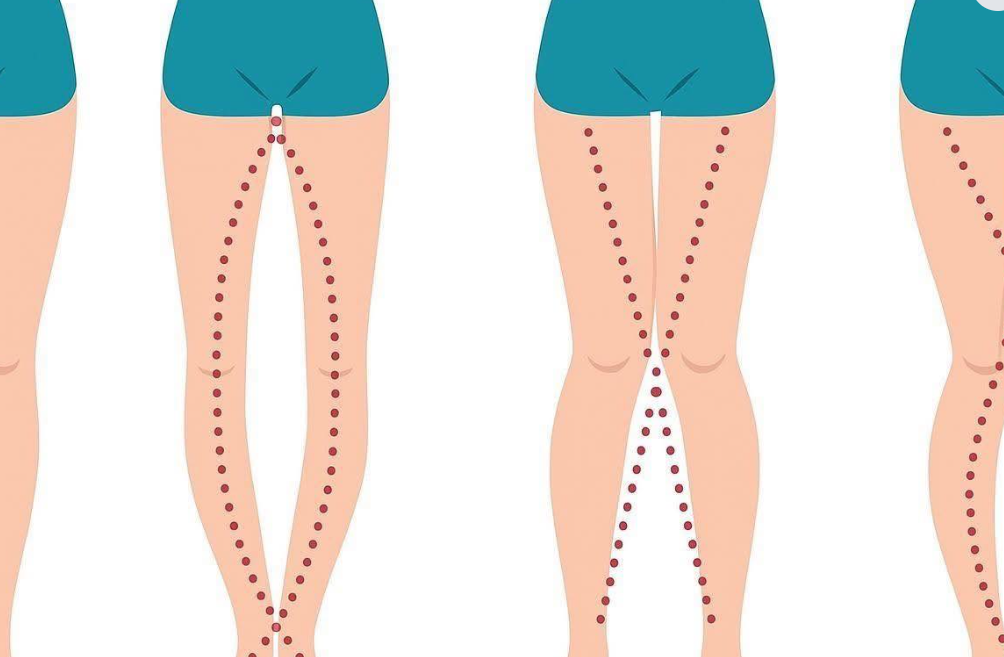
A balanced diet is one of the most fundamental pillars of a healthy lifestyle. It provides the body with essential nutrients needed to function efficiently, maintain energy levels, support growth, and prevent diseases. In today’s fast-paced world, where processed foods and irregular eating habits are common, understanding the importance of a balanced diet has become more crucial than ever.
What is a Balanced Diet?
A balanced diet refers to consuming a variety of foods in the right proportions to obtain necessary nutrients. These nutrients include carbohydrates, proteins, fats, vitamins, minerals, and water. Each plays a unique role in maintaining overall health.
The key to a balanced diet is diversity. No single food can provide all nutrients, so combining different food groups ensures that the body receives everything it needs.
Components of a Balanced Diet
1. Carbohydrates
Carbohydrates are the body’s primary source of energy. They fuel daily activities and support brain function. Healthy sources include whole grains, fruits, vegetables, and legumes.
Avoid refined carbohydrates like white bread and sugary snacks, as they can lead to energy crashes and weight gain.
2. Proteins
Proteins are essential for building and repairing tissues, producing enzymes, and supporting immune function. Good sources include lean meats, fish, eggs, dairy products, beans, and nuts.
Protein intake is especially important for growing children, athletes, and individuals recovering from illness.
3. Healthy Fats
Fats are often misunderstood but are crucial for hormone production, brain health, and nutrient absorption. Focus on healthy fats found in nuts, seeds, avocados, and oils.
Limit saturated and trans fats, which are commonly found in fried and processed foods.
4. Vitamins and Minerals
These micronutrients are vital for various bodily functions, including immunity, bone health, and metabolism. Fruits and vegetables are rich sources of vitamins and minerals.
Eating a colorful variety of produce ensures a wide range of nutrients.
5. Water
Water is essential for digestion, temperature regulation, and detoxification. Staying hydrated supports every system in the body.
Aim to drink sufficient water daily, adjusting intake based on activity level and climate.
Why is a Balanced Diet Important?
1. Supports Overall Health
A balanced diet provides the nutrients necessary for the body to function properly. It supports organ health, improves digestion, and enhances mental clarity.
2. Boosts Immunity
Proper nutrition strengthens the immune system, helping the body fight infections and illnesses more effectively.
3. Maintains Healthy Weight
Eating balanced meals helps regulate calorie intake and prevents overeating. It also reduces cravings for unhealthy foods.
4. Improves Energy Levels
Nutrient-rich foods provide sustained energy throughout the day, unlike sugary foods that cause rapid spikes and crashes.
5. Reduces Risk of Chronic Diseases
A healthy diet can lower the risk of conditions such as heart disease, diabetes, and obesity. It also supports long-term well-being.
Consequences of an Unbalanced Diet
An unhealthy diet lacking essential nutrients can lead to various health problems, including:
- Fatigue and weakness
- Poor concentration
- Weakened immune system
- Digestive issues
- Weight gain or loss
- Increased risk of chronic diseases
Overconsumption of processed foods, sugar, and unhealthy fats can further worsen these issues.
Tips for Maintaining a Balanced Diet
1. Eat a Variety of Foods
Include foods from all major food groups in your daily meals. This ensures a wide range of nutrients.
2. Control Portion Sizes
Even healthy foods can lead to weight gain if consumed in excess. Practice mindful eating and portion control.
3. Limit Processed Foods
Reduce intake of packaged and fast foods that are high in salt, sugar, and unhealthy fats.
4. Include Fruits and Vegetables
Aim to fill half your plate with fruits and vegetables. They are rich in fiber, vitamins, and antioxidants.
5. Stay Hydrated
Drink enough water throughout the day to support bodily functions.
6. Plan Your Meals
Preparing meals in advance helps maintain consistency and reduces reliance on unhealthy options.
7. Avoid Skipping Meals
Regular meals keep metabolism stable and prevent overeating later in the day.
Balanced Diet for Different Age Groups
Children and Teenagers
Growing bodies require more nutrients, especially proteins, calcium, and iron. Encourage healthy eating habits early.
Adults
Adults should focus on maintaining energy levels, managing weight, and preventing diseases through proper nutrition.
Older Adults
Aging individuals need nutrient-dense foods to support bone health, digestion, and immunity.
Common Myths About Balanced Diets
Myth 1: All Fats Are Bad
Not all fats are harmful. Healthy fats are essential for overall health.
Myth 2: Skipping Meals Helps Weight Loss
Skipping meals often leads to overeating and metabolic imbalance.
Myth 3: Healthy Food is Expensive
A balanced diet can be affordable by choosing seasonal and locally available foods.
Role of Lifestyle in Nutrition
A balanced diet works best when combined with a healthy lifestyle. Regular physical activity, proper sleep, and stress management enhance the benefits of good nutrition.
Avoid habits like smoking and excessive consumption of sugary beverages, as they can counteract the benefits of a healthy diet.
Simple Balanced Diet Plan Example
- Breakfast: Whole grains, eggs, and fruit
- Lunch: Lean protein, vegetables, and whole grains
- Snack: Nuts or yogurt
- Dinner: Light meal with vegetables and protein
- Hydration: Water throughout the day
This is just a general example and can be adjusted based on individual needs.
Conclusion
Understanding the importance of a balanced diet is the first step toward achieving a healthier life. It is not about strict limitations but about making smarter food choices consistently. A well-balanced diet nourishes the body, boosts energy, enhances immunity, and reduces the risk of diseases.
By adopting healthy eating habits and maintaining consistency, anyone can improve their overall well-being and enjoy a better quality of life.